
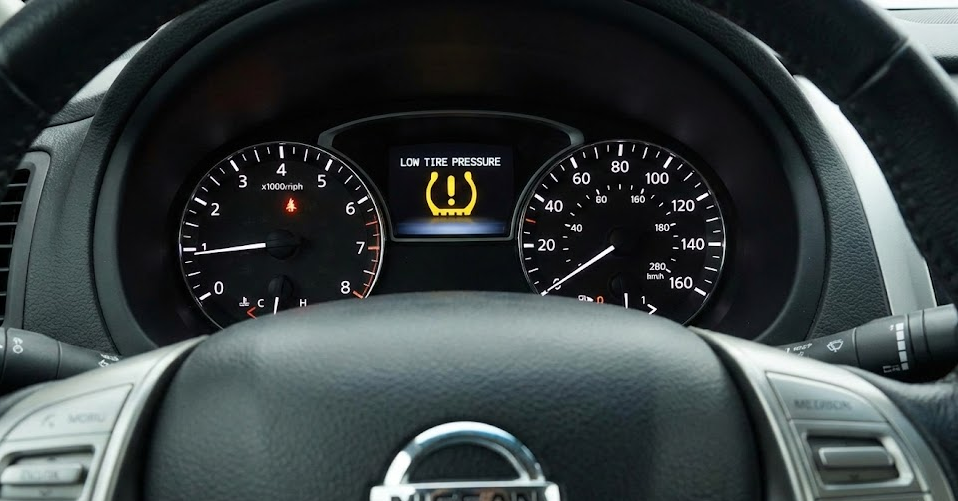
You climb into your Nissan on a chilly Gainesville morning, turn the key, and there it is—that glowing yellow exclamation mark staring back at you from the dashboard. Your heart sinks a little because you’re thinking flat tire, tow truck, missed meetings. But here’s the thing most Gainesville drivers don’t realize: when temperatures dip into the low 50s or high 40s during our brief winter season, your tire pressure monitoring system often triggers a warning even when your tires are perfectly fine. It’s not a malfunction or a puncture—it’s just physics doing its thing. Understanding this simple phenomenon can save you unnecessary stress and help you schedule your service appointments with confidence rather than panic. At Gainesville Nissan Service Center, we see this exact scenario play out dozens of times every winter, which is why we want to walk you through what’s really happening and how Nissan’s innovative Easy-Fill Tire Alert technology makes the whole process remarkably easier.
The Science of the “False Flat”: How Florida Cold Fronts Fool Your Sensors
When Gainesville temperatures drop from our typical 70-degree afternoons down to 45 degrees overnight—something that happens regularly from December through February—your tire pressure doesn’t stay constant. The air inside your tires follows a basic principle of physics: for every 10-degree drop in temperature, tire pressure decreases by about 1 to 2 PSI. So if you inflated your tires to the recommended 35 PSI on a warm afternoon and then a cold front rolls through overnight, dropping temps by 25 degrees, you could easily lose 2 to 5 PSI by morning. That’s enough to trigger your TPMS warning light, which is designed to illuminate when tire pressure falls roughly 25 percent below the recommended level.
Cold air condenses and takes up less space, which means the same amount of air that filled your tire nicely at 70 degrees simply occupies less volume at 45 degrees. It’s the same air—nothing has escaped—but the colder temperature causes the molecules to pack more tightly together, reducing the overall pressure inside the tire. Gainesville averages around 16 days per year with temperatures at or below freezing, and these are typically the mornings when TPMS lights across town start glowing.
What makes this particularly tricky for Gainesville commuters is that your TPMS light might turn on during your cold morning drive down Archer Road or University Avenue, but then mysteriously shut off 20 minutes later as your tires heat up from driving. This creates confusion—you wonder if there’s an intermittent leak or if your sensors are malfunctioning. More often than not, it’s simply the temperature change at work, which is where Gainesville Nissan’s complimentary tire fill and check service becomes incredibly valuable.
Flat Tire vs. Cold Weather: How to Tell the Difference
So your TPMS light is on and you’re wondering whether you actually have a flat or if it’s just another Florida cold front playing tricks. The fastest way to tell is remarkably simple: look at your tires. Walk around your Nissan and visually inspect each tire from multiple angles. A genuinely flat or significantly underinflated tire will look noticeably different—the sidewalls will bulge outward near the bottom where the tire meets the ground, and the overall shape will appear sagging compared to the other tires. If all four tires look normal and properly inflated to your eye, you’re almost certainly dealing with a cold-weather pressure drop rather than an actual puncture or leak.
Another telltale sign is timing and consistency. If your TPMS light comes on exclusively during cold mornings and then turns off after you’ve driven for 15 to 20 minutes, that’s classic cold-weather behavior. Genuine leaks don’t magically fix themselves as you drive. Temperature-related TPMS warnings are temporary and resolve themselves naturally as ambient temperatures rise or as driving friction warms up your tires.
Even if you’re confident it’s just cold weather, you shouldn’t ignore the warning entirely. Underinflated tires—even by just 5 PSI—reduce your fuel efficiency, compromise handling and braking performance, and accelerate uneven tire wear. This is especially important during Gainesville’s occasional winter rain showers, when proper tire pressure directly affects your traction on wet roads. The smart move is to verify your tire pressure and visit Gainesville Nissan for a complimentary alignment check if you’re consistently seeing TPMS warnings during cold snaps.
The Nissan Advantage: How “Easy-Fill Tire Alert” Solves the Headache
If you drive a newer Nissan—particularly models like the Rogue, Altima, Pathfinder, Frontier, or Sentra from recent model years—you have access to one of the most genuinely helpful pieces of automotive technology most people don’t even know exists: Nissan’s Easy-Fill Tire Alert system. This feature completely eliminates the frustration of standing at a gas station air pump, squinting at a tiny pressure gauge in the cold, and wondering whether you’ve added enough air or too much. Instead of relying on those notoriously inaccurate gas station gauges, your Nissan does the measuring for you and tells you exactly when to stop filling.
Here’s how it works. When your TPMS light indicates low pressure, drive to any air pump—whether at a gas station or using a portable compressor at home. Put your Nissan in park, apply the parking brake, and leave the ignition in the “on” position with the engine off. Attach the air hose to your tire’s valve stem and start filling. As soon as air begins flowing, your Nissan’s exterior lights will start flashing, confirming that the Easy-Fill Tire Alert system is actively monitoring the pressure change. When the tire reaches the correct factory-specified pressure, your Nissan will honk its horn once, telling you to stop and move to the next tire. If you accidentally overfill, the horn sounds again and the hazard lights flash three times, signaling you to release some air until you hear that single confirming honk.
This technology is available on 12 different Nissan models and has been installed in more than five million vehicles worldwide. For Gainesville drivers dealing with those periodic cold-weather TPMS warnings, Easy-Fill Tire Alert transforms what used to be an annoying chore into a genuinely simple task. You’re not guessing, you’re not repeatedly checking a gauge in the cold, and you’re not wondering if you’ve inflated to the right pressure. Your Nissan tells you definitively.
Why You Shouldn’t Ignore the Light (Even if It’s Just the Cold)
Even when you’re absolutely certain that your TPMS light came on because of Gainesville’s overnight temperature drop rather than a genuine tire problem, treating it as a “false alarm” and ignoring it entirely is a mistake that can cost you. Underinflated tires create measurable negative effects on your Nissan’s performance, safety, and operating costs. According to the U.S. Department of Energy, properly inflated tires can improve your gas mileage by up to 3.3 percent, which adds up remarkably quickly when you’re commuting daily or making longer trips.
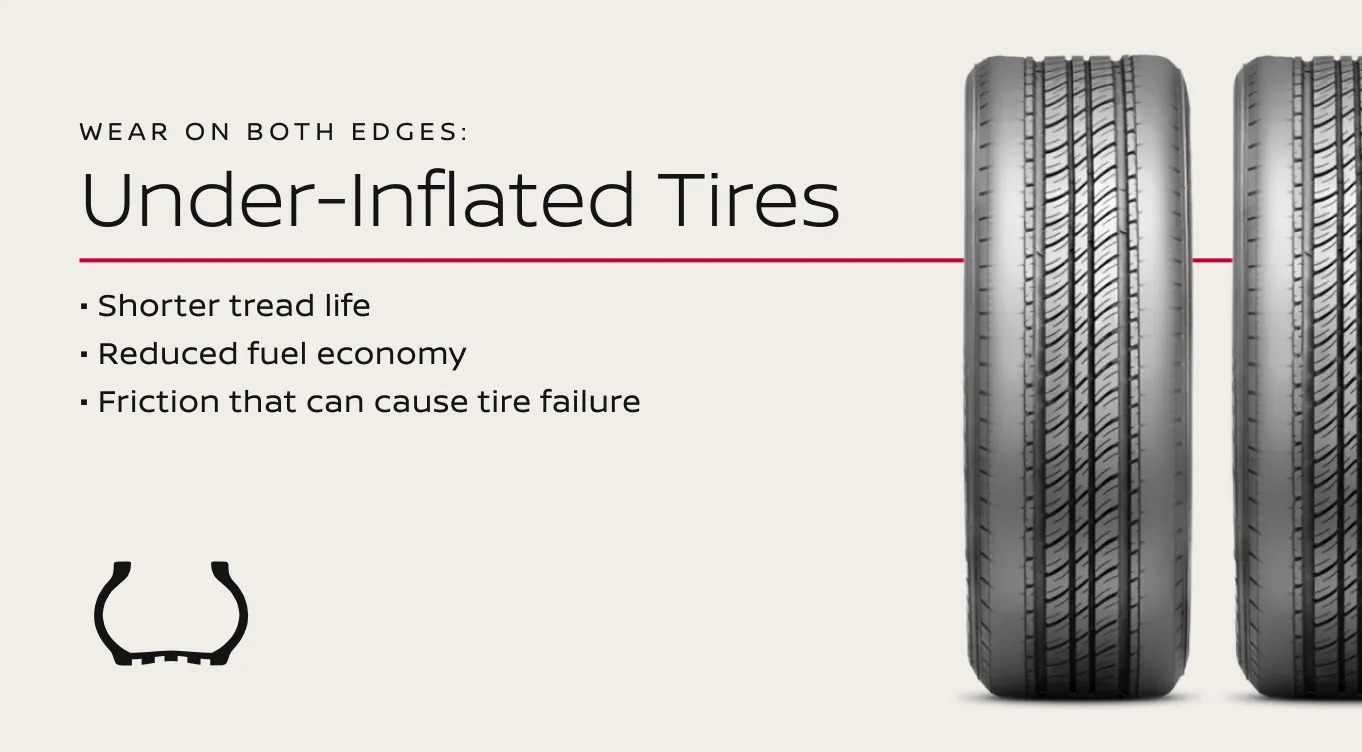
Beyond fuel economy, underinflated tires compromise your safety in ways that aren’t immediately obvious but become critical in emergency situations. Tires with insufficient pressure flex more than they should as they roll, generating excess heat that breaks down the tire’s internal structure over time and dramatically increases the risk of sudden tire failure or blowout. They also reduce your vehicle’s handling precision and extend braking distances, which matters enormously during Gainesville’s frequent winter rain showers when roads become slick.
The National Highway Traffic Safety Administration reports that proper tire inflation can extend tire life by up to 4,700 miles per tire, translating to real savings over the lifespan of your vehicle. When your TPMS light comes on, even if you suspect it’s just cold weather, take the few minutes needed to verify and correct your tire pressure. Gainesville Nissan’s Express Service Lane makes this remarkably convenient—no appointment necessary for tire checks—and our technicians can top off your tires to factory specifications while also performing a complimentary multi-point inspection.
Preparing for Holiday Travel? Visit Gainesville Nissan for a Complimentary Tire Check
The holidays bring increased travel, longer trips, and fully loaded vehicles as Gainesville families head out to visit relatives or take advantage of the Holidays. Before you pack up your Nissan and hit I-75 northbound or drive over to the coast, making sure your tires are properly inflated and in good condition is one of the smartest safety checks you can perform. Gainesville Nissan Service Center makes this easy with our complimentary tire fill and check service, available to all customers without an appointment through our dedicated Express Service Lane.
What makes this service particularly valuable during the holiday season is that we’re checking your tires before you load up your vehicle with passengers and luggage. Many drivers don’t realize that recommended tire pressures often increase when carrying heavy loads, and our team can advise you on the correct adjustments for your specific travel situation. The entire process typically takes just 45 minutes if you’re having us perform a full tire rotation and balance, or even less if you just need a pressure check and top-off.
Beyond just tire service, our complimentary multi-point inspection gives you complete confidence in your Nissan’s readiness for holiday travel. We’ll check your battery health, inspect fluid levels, examine your brakes, and verify that all safety systems are functioning correctly—all at no charge. This comprehensive check helps you avoid those nightmare scenarios where a preventable issue leaves you stranded on the highway during a holiday weekend.
TPMS Quick Reference Guide
| Situation | What It Means | What To Do |
|---|---|---|
| TPMS light on during cold morning, off after 20 minutes | Cold weather caused temporary pressure drop | Check pressure manually when convenient, inflate if consistently low |
| TPMS light stays on continuously | Genuine low pressure or slow leak | Check pressure immediately, visit Gainesville Nissan if needed |
| TPMS light flashing, then stays solid | Sensor malfunction or system issue | Schedule service appointment to diagnose TPMS system |
| Visible tire bulging or sagging | Significantly underinflated tire or structural damage | Do not drive – change to spare or call for service immediately |
What Gainesville Nissan Service Center Offers
While we’ve focused primarily on tire pressure and TPMS service, Gainesville Nissan Service Center provides comprehensive vehicle maintenance that goes well beyond just keeping your tires properly inflated. Our locally owned and operated facility, under the leadership of Michael Ferro, takes pride in offering a complete range of automotive services designed to keep your Nissan running reliably and efficiently. From routine oil changes and brake service to more complex repairs and diagnostics, our factory-trained technicians have the expertise and genuine Nissan parts to handle any service need your vehicle might have.
- Express Service: Oil and filter changes, battery diagnostics and replacement, air filter replacement, tire rotation and balance, and factory scheduled maintenance in approximately 45 minutes.
- Complimentary Services: Every visit includes a multi-point inspection, alignment check, and car wash.
- Loaner Vehicles: Complimentary loaner vehicles when available and shuttle service within a 15-mile radius.
- Genuine Nissan Parts: We use exclusively genuine parts engineered specifically for your vehicle, maintaining proper fit, function, and warranty coverage.
Frequently Asked Questions
Q: Why does my tire pressure light come on when it gets cold in Gainesville?
A: Air contracts when cooled. For every 10-degree drop in temperature, your tires lose about 1 to 2 PSI of pressure. When Gainesville temperatures drop from typical 70-degree days down to the 40s or 50s overnight—which happens regularly from December through February—this pressure drop can trigger your TPMS warning light even though no air has actually escaped from your tires.
Q: Does the Nissan Easy-Fill Tire Alert come on all new models?
A: Easy-Fill Tire Alert is available on most current Nissan models including the Rogue, Altima, Pathfinder, Frontier, Sentra, Maxima, Armada, Murano, Kicks, LEAF, and Versa. It has been a signature Nissan innovation since 2013. If you’re not sure whether your specific Nissan has this feature, our service team can verify for you.
Q: Is it safe to drive with the TPMS light on?
A: While you can physically drive with the TPMS light illuminated, it’s not recommended for extended distances. The warning indicates your tire pressure is at least 25 percent below the proper level, which reduces fuel economy, compromises handling and braking performance, and increases the risk of tire failure. Verify it’s not a genuine flat tire first by visually inspecting all four tires, then drive carefully to correct the pressure immediately.
Q: How do I reset the TPMS light on my Nissan?
A: In most modern Nissans, the TPMS light resets automatically once you’ve corrected the tire pressure and driven for several miles at speeds above 16 mph. The system recalibrates itself as it detects that all tires have returned to proper inflation levels. If the light persists after driving for 20 to 30 minutes, you may need a dealer reset using diagnostic equipment.
Q: How often should I check my tire pressure in Gainesville’s climate?
A: We recommend checking tire pressure at least once a month, and particularly during seasonal transitions when Gainesville temperatures are changing significantly. Tires naturally lose about 1 PSI per month through normal air seepage, so monthly checks help you catch gradual pressure loss before it triggers your TPMS warning.
Schedule Your Tire Pressure Check at Gainesville Nissan Today
Don’t let a glowing TPMS light disrupt your morning commute or create unnecessary worry about your Nissan’s safety. The factory-trained experts at Gainesville Nissan Service Center are here to quickly diagnose whether you’re experiencing a simple cold-weather pressure drop or a genuine tire issue that needs attention. We have the right diagnostic equipment, genuine Nissan parts, and specialized knowledge to handle any tire pressure concern efficiently, getting you back on the road with complete confidence.
With Gainesville’s unpredictable winter temperatures regularly dipping into the 40s and 50s overnight before warming back up during the day, waiting to address tire pressure warnings only increases your risk of reduced fuel economy, compromised handling, and accelerated tire wear. Our complimentary tire fill and check service takes just minutes and includes a thorough multi-point inspection, ensuring your Nissan is ready for everything from daily commutes to holiday travel without any surprises.
Click here to schedule your tire pressure check and drive with confidence!
Or visit us at 3915 N. Main Street, Gainesville, FL 32609, and let our certified technicians ensure your tires are properly inflated and your TPMS system is functioning exactly as Nissan designed it. We’re here to make your service experience quick, transparent, and genuinely helpful.